
Not everyone has a studio. Most don’t. And guess what? That’s perfect. Dub doesn’t need glossy walls, twenty screens, or a fog machine. It starts in small rooms. Bedrooms. Basements. Spaces with incense smoke, low light, and just enough gear to get the riddim moving.
This music came from limitations. King Tubby made world-shaking dub with fewer tools than a modern teenager’s laptop. It’s not about collecting expensive gear. It’s about building a vibe. A place where low-end frequencies and reverb tails stretch out like smoke. Where silence between snares says more than a thousand plugins.
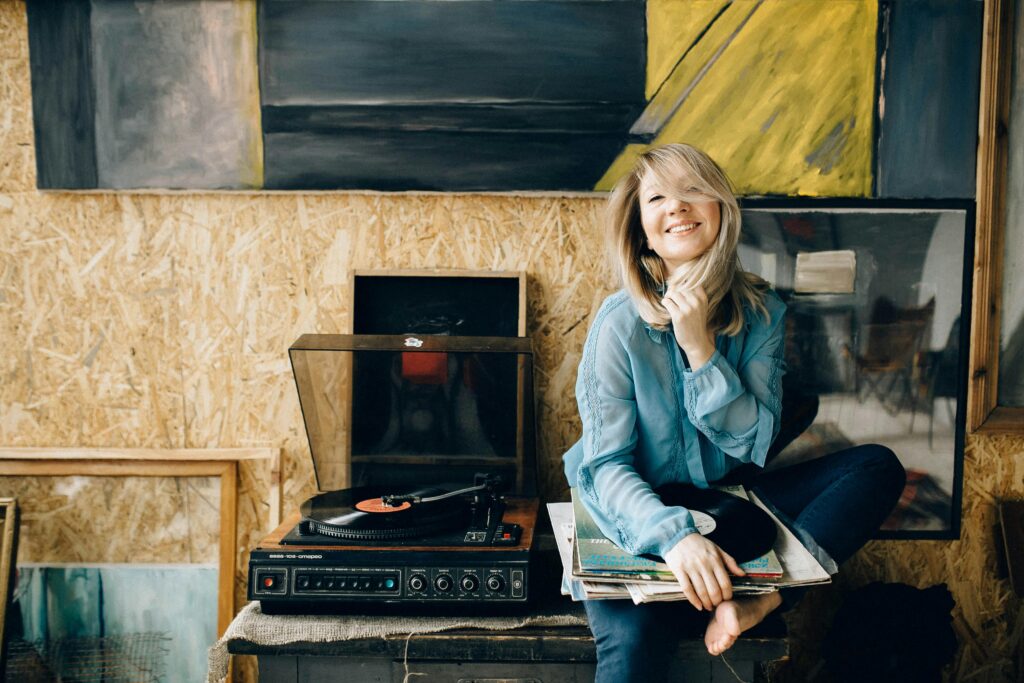
Keep it real, keep it raw
Forget studio envy. Most of the classics came from tight, sweaty corners. Soul over polish. Energy over perfection. You need one thing first—space that feels good. Could be a desk next to a plant, a corner lit by a lava lamp, or a closet that sounds weird in the best way.
Add some speakers, or headphones if you’re tight on room or volume. A computer helps. So does a DAW—Ableton, Logic, Reaper, whatever speaks your language. You don’t need twenty software instruments. You need one that inspires you. The goal isn’t to build a perfect workstation. It’s to set the vibe.
Delay it, reverb it, strip it down
Dub thrives on space. Real space. Not just sonic. Emotional. A slow drum pattern. A single rimshot echoing for miles. That’s the sound. And to shape it, you need delay and reverb. Nothing fancy. Even the free stuff works if you use it with feel. Valhalla Delay does the job. So does a dusty guitar pedal if you like things more hands-on.
Spring reverb gives dub its signature wash. The kind that sounds like rain in a tin roof. If you can’t get a real spring tank, digital versions work fine. Just don’t overthink it. EchoBoy, Dubstation, even Logic’s built-in plugins do enough when you let the track breathe.
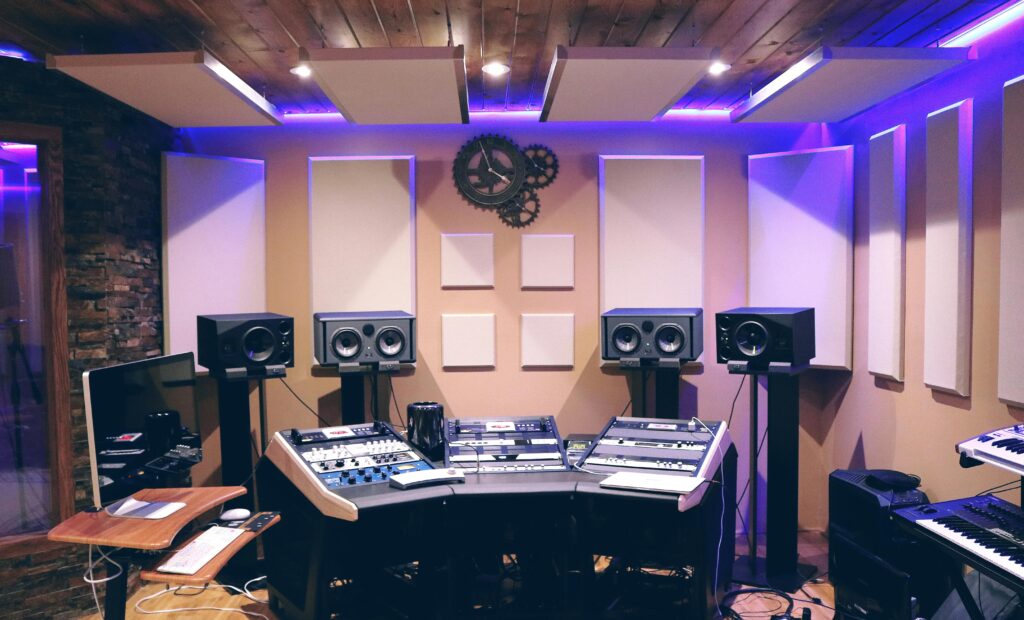
Let the riddim guide the meal
Dub is more than sound. It’s lifestyle. It’s rhythm in everything. Including what’s on the plate. Keep the kitchen aligned with the studio. Ital food—plant-based, natural, slow-cooked—connects you to the roots of the sound. Coconut milk stews. Steamed callaloo. Ginger tea while the bassline loops for the fiftieth time. Not fancy. Not restrictive. Just alive.
Play with the mix like it’s an instrument
Dub mixing works best when it feels like live performance. You’re not editing. You’re playing. Mute the drums. Throw a delay on the snare. Drop the bass out mid-bar. Bring it back heavier. It’s about reacting in real time. That’s where the real vibe lives.
You can automate everything in software, but nothing beats twisting knobs, hitting buttons, and riding faders. A small MIDI controller gives you enough to touch the sound. That physical connection matters. Dub isn’t clean. It’s wild. And that’s what makes it feel good.
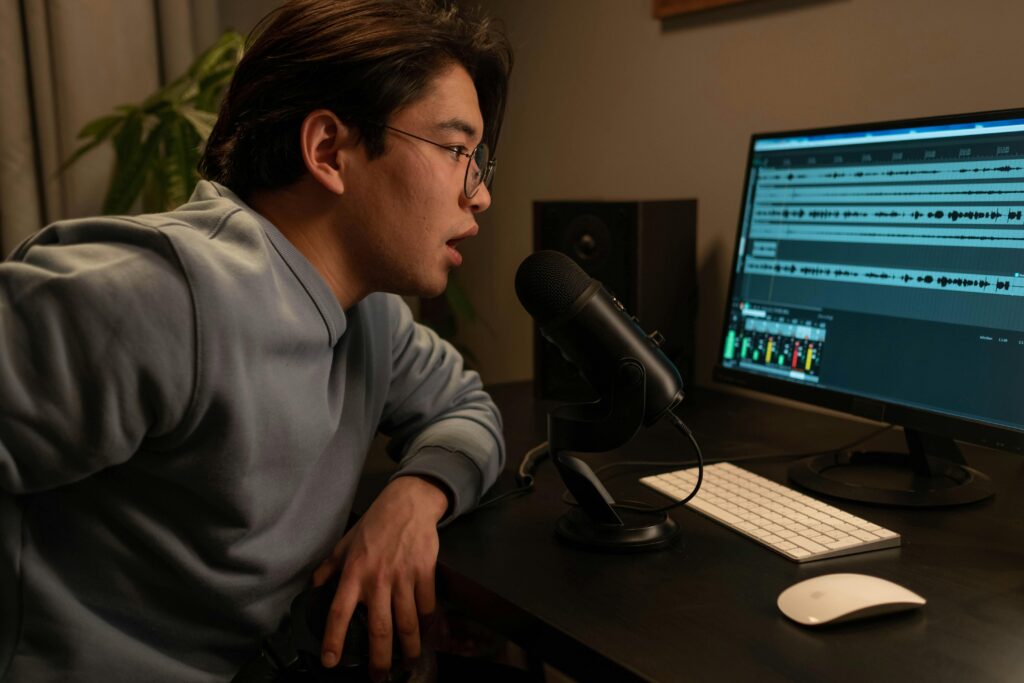
Decor is part of the sound
Sound comes from mood. So does taste. The lights matter. The smells matter. Keep the lighting warm. Use incense or herbs to reset the space before every session. Palo santo, frankincense, rosemary—pick your frequency. You’re not just producing. You’re tuning the space.
A few records nearby help too. Not just for reference. For presence. You look over and see Super Ape leaning on the wall. You’re reminded. This is about energy, not accuracy. Feel always wins.
Build your dub corner, not a fortress
Start small. Laptop. Headphones. A single plugin you like. One speaker, if that’s all you’ve got. Add when it makes sense. You don’t need ten things. You need tools that make you stay in the room. That keep you tweaking the snare or dropping the bass until it hits right.
Dub doesn’t demand much. It gives you space to create without pressure. Without noise. A homegrown studio with heart, incense, a warm plate, and a wobble in the kick? That’s more than enough. That’s dub.